The Interplay Between Random Number Generators and Strategic Adjustments in Virtual Poker Environments
Otto Peters · May 17, 2026
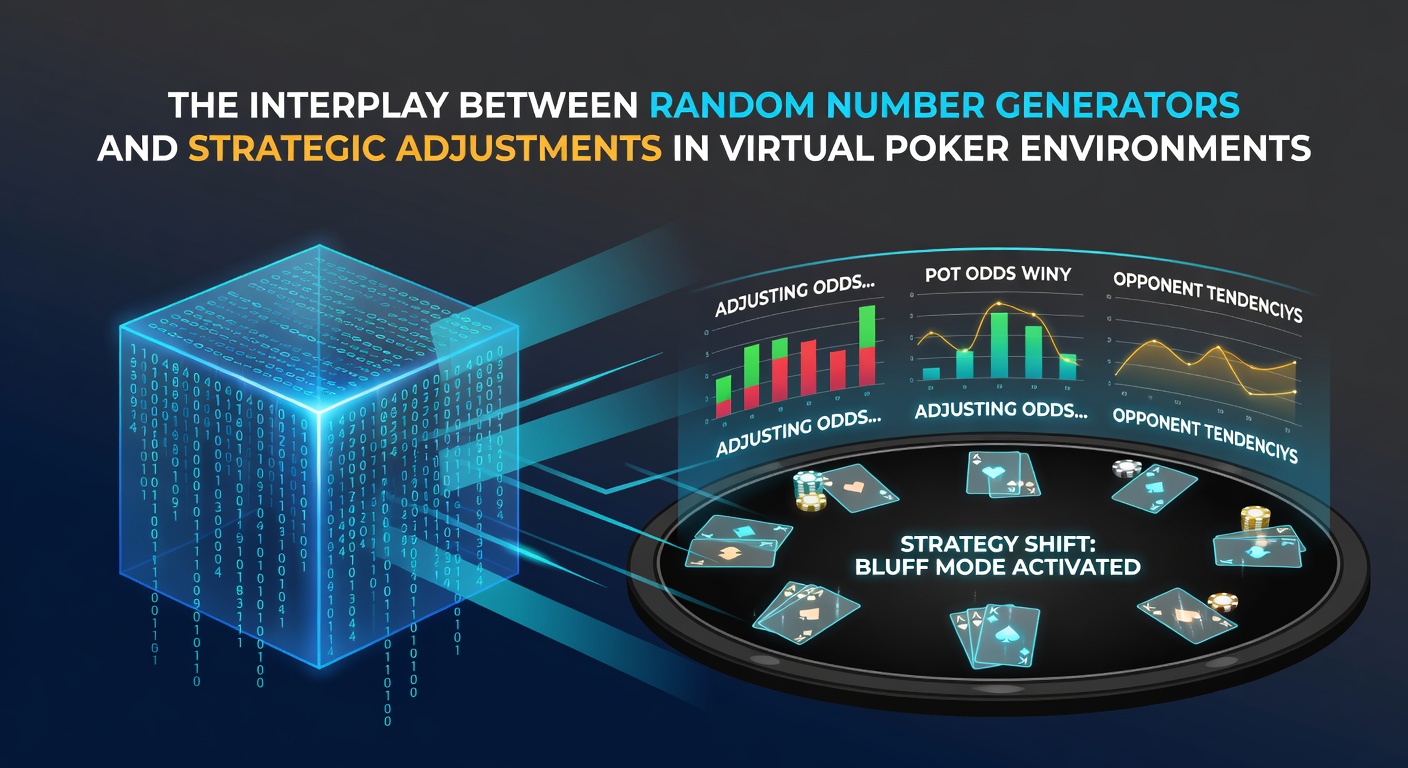
The Interplay Between Random Number Generators and Strategic Adjustments in Virtual Poker Environments
Virtual poker platforms rely on random number generators to determine card distribution in every hand, and players respond by refining their decision-making processes around statistical probabilities rather than physical tells. Observers note that these systems produce sequences certified through independent testing, which removes the possibility of predictable patterns while forcing participants to adapt ranges and frequencies to environments where speed and volume replace live table dynamics.
Mechanics of Random Number Generators in Digital Card Games
Random number generators in virtual poker create continuous streams of values that map directly to deck shuffles, with each output verified against standards set by regulatory bodies such as the Nevada Gaming Control Board. Engineers design these algorithms to pass statistical suites including diehard and NIST tests, ensuring that short-term variance mirrors physical shuffles even though the underlying process uses deterministic mathematics seeded by external entropy sources. Players encounter these outputs only through the interface, where the absence of physical manipulation means every decision rests on equity calculations and opponent modeling instead of visual cues.
Certification processes require periodic audits that examine both the core algorithm and its implementation within the platform software, and data from these reviews indicate that approved systems maintain uniformity across millions of hands. Those who study online poker environments often find that certified RNGs eliminate concerns about rigged outcomes, which shifts focus toward exploitable patterns in betting behavior rather than suspicions about the deal itself.
Strategic Adjustments Driven by Virtual Conditions
Participants in virtual settings frequently increase their hand volume through multi-tabling, and this adjustment alters the way they construct ranges because they face more decisions per hour than in live games. Research indicates that players incorporate heads-up display software to track statistics such as fold-to-3-bet percentages, yet they must still account for the fact that each new hand arrives through an independent RNG sequence unaffected by previous results. Consequently, long-term strategy emphasizes balanced frequencies that withstand variance spikes rather than attempts to read physical mannerisms.
Adjustments also extend to bet sizing and timing tells, where rapid decisions replace the pauses common at physical tables. Observers note that experienced players develop timing profiles based on stack depth and position, knowing that the RNG delivers cards without bias toward recent history or table image. This environment rewards precise range construction because opponents cannot rely on hesitation patterns that sometimes appear in slower live play.
Interactions Between RNG Integrity and Decision Frameworks
The reliability of certified random number generators allows players to treat each hand as an isolated event governed by known probabilities, which encourages wider opening ranges in late position and more frequent continuation bets when board textures favor the aggressor. Data shows that platforms using audited RNGs report consistent player retention because participants trust the underlying fairness, freeing mental resources for opponent profiling and adjustment tracking. In contrast, environments lacking transparent certification sometimes see reduced aggression as players tighten ranges to compensate for perceived uncertainty.
Strategic models incorporate the knowledge that RNG outputs follow uniform distributions, so adjustments focus on population tendencies rather than attempts to detect non-random sequences. One study revealed that regular online participants adjust bluff frequencies upward when they identify opponents who over-fold to river bets, a pattern detectable only through large sample sizes that virtual platforms naturally provide. These shifts occur because the random distribution guarantees that equity calculations remain stable across sessions, allowing data-driven refinements without interference from mechanical biases.
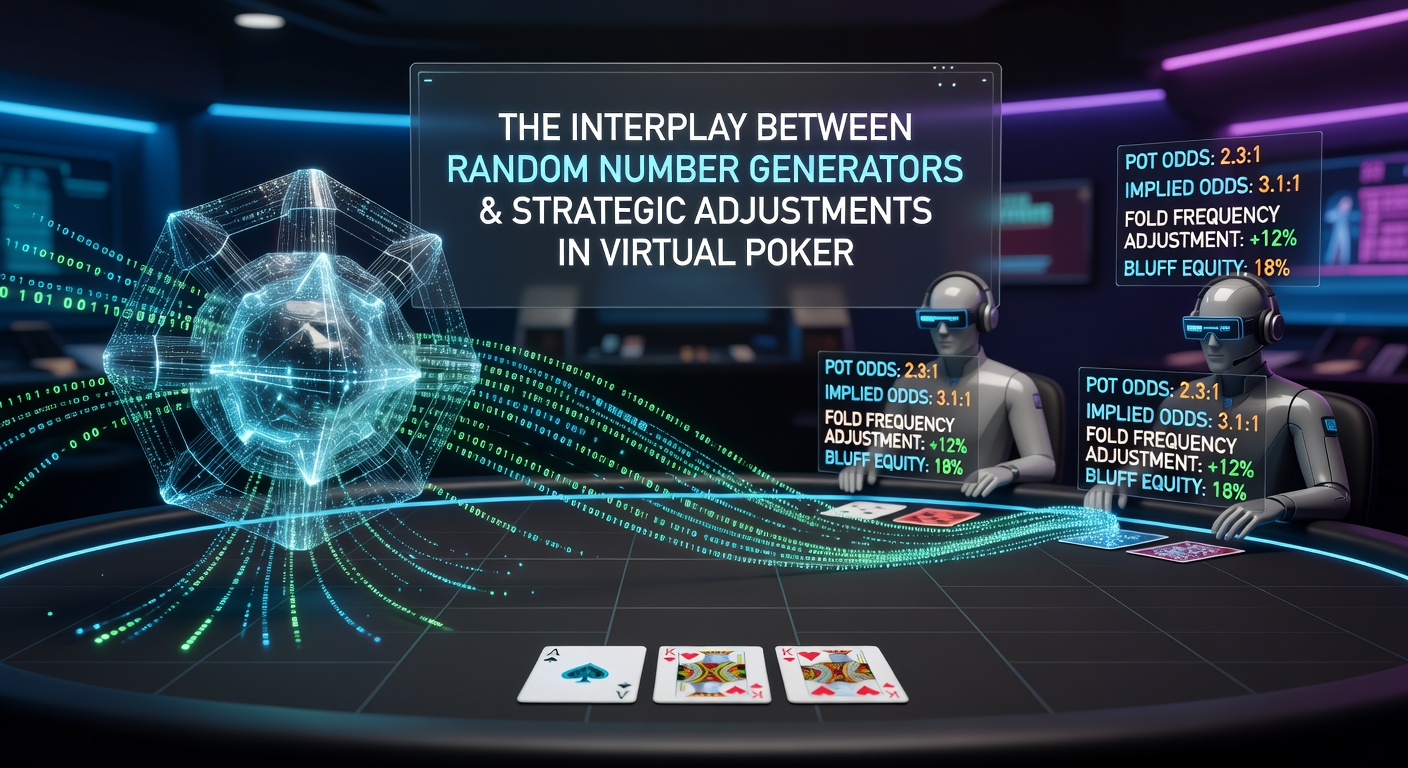
During May 2026, several platforms updated their RNG implementations to incorporate quantum entropy sources, and regulators in multiple jurisdictions began requiring public summaries of test results. These changes prompted players to review their database statistics more closely, confirming that hand distributions continued to align with theoretical expectations while strategic adjustments emphasized real-time exploitation of identified leaks.
Regulatory Oversight and Platform Implementation Standards
Gaming authorities in regions including New Jersey and Ontario mandate that virtual poker operators submit RNG software for evaluation before deployment, and subsequent audits verify that live implementations match the approved code. Industry reports from organizations such as the Interactive Gaming Council document how these requirements reduce disputes over hand outcomes, allowing participants to concentrate on strategy rather than verification. Players who review certification seals on licensed sites gain confidence that enables more aggressive lines, knowing the random sequence cannot favor any particular outcome.
Implementation details matter because even certified generators can produce short streaks that test emotional control, and successful participants prepare bankroll management plans that accommodate these natural fluctuations. Figures reveal that sites publishing monthly fairness reports experience higher engagement levels, as users adjust their session lengths and stake selections based on transparent performance data rather than anecdotal suspicions.
Conclusion
Random number generators establish the foundation for equitable card distribution in virtual poker, while players continuously refine their approaches around statistical realities and observed tendencies. Regulatory frameworks and technical audits maintain trust in these systems, which in turn supports the development of sophisticated adjustments suited to high-volume environments. As platforms evolve their RNG infrastructure and oversight bodies release updated compliance data, the relationship between technical fairness and strategic adaptation remains central to how virtual poker functions.