Intersections of Promotional Incentives and Variant-Specific Tactics in Subscription-Based Digital Poker Ecosystems
Quinn Krüger · Aug 11, 2026
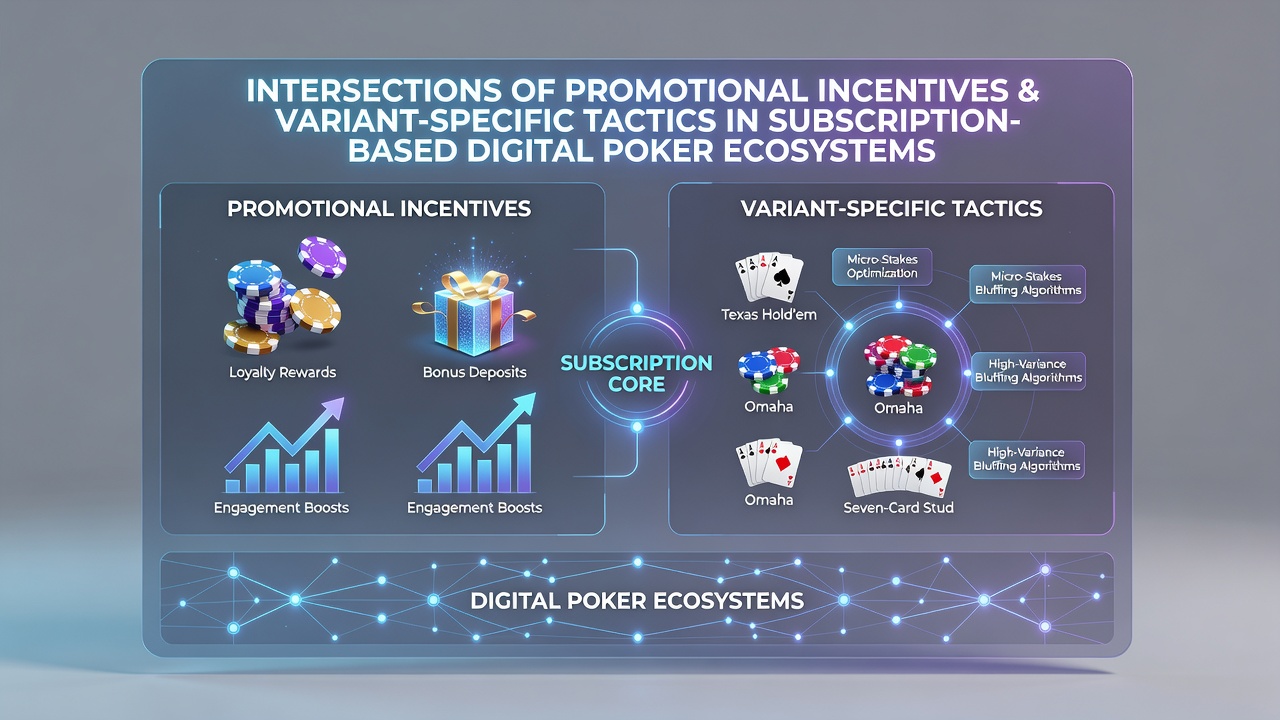
Intersections of Promotional Incentives and Variant-Specific Tactics in Subscription-Based Digital Poker Ecosystems
Subscription-based digital poker platforms have expanded their reach by combining monthly access fees with targeted promotional incentives that align directly with the mechanics of specific game variants. These models grant users entry to cash games and tournaments while layering on rewards such as bonus credits, reduced rake thresholds, and variant-exclusive entry tickets that shape how participants approach Hold'em versus Omaha or Stud formats.
Subscription Frameworks and Incentive Structures
Platforms operating on subscription terms typically charge recurring fees that unlock unlimited play within certain stake levels, and operators enhance retention through incentives tied to volume and variant choice. Data from industry reports show that users who receive variant-specific bonuses maintain higher session lengths in split-pot games compared with no-limit formats. Researchers tracking platform metrics note that these rewards often scale with hand volume, creating measurable shifts in the frequency of multi-way pots when Omaha promotions activate.
Promotional calendars released in advance allow subscribers to plan participation around limited-time multipliers that favor particular starting-hand requirements. For instance, incentives attached to pot-limit Omaha increase the average number of hands played per hour, while Hold'em bonuses tend to concentrate activity around late-position aggression. Observers note that subscription tiers with higher fees receive earlier access to these offers, which in turn correlates with elevated chip accumulation rates across tracked accounts.
Variant-Specific Tactical Adjustments
Players adapt core strategies when promotions reward outcomes unique to each variant. In subscription environments, Omaha participants often widen pre-flop ranges during bonus periods because the four-card structure rewards speculative holdings that connect more frequently with community cards. Hold'em subscribers, by contrast, tighten early-position selections when incentives emphasize showdown value rather than bluff frequency.
Statistical reviews of hand histories from August 2026 reveal that platforms running concurrent promotions across variants produce distinct equity distributions. Omaha tables show elevated pot sizes per hand when rake rebates apply, whereas Hold'em sessions demonstrate increased fold equity exploitation once bonus chips reach certain thresholds. These patterns emerge consistently across anonymous player pools where identity remains obscured yet aggregate data remains accessible.
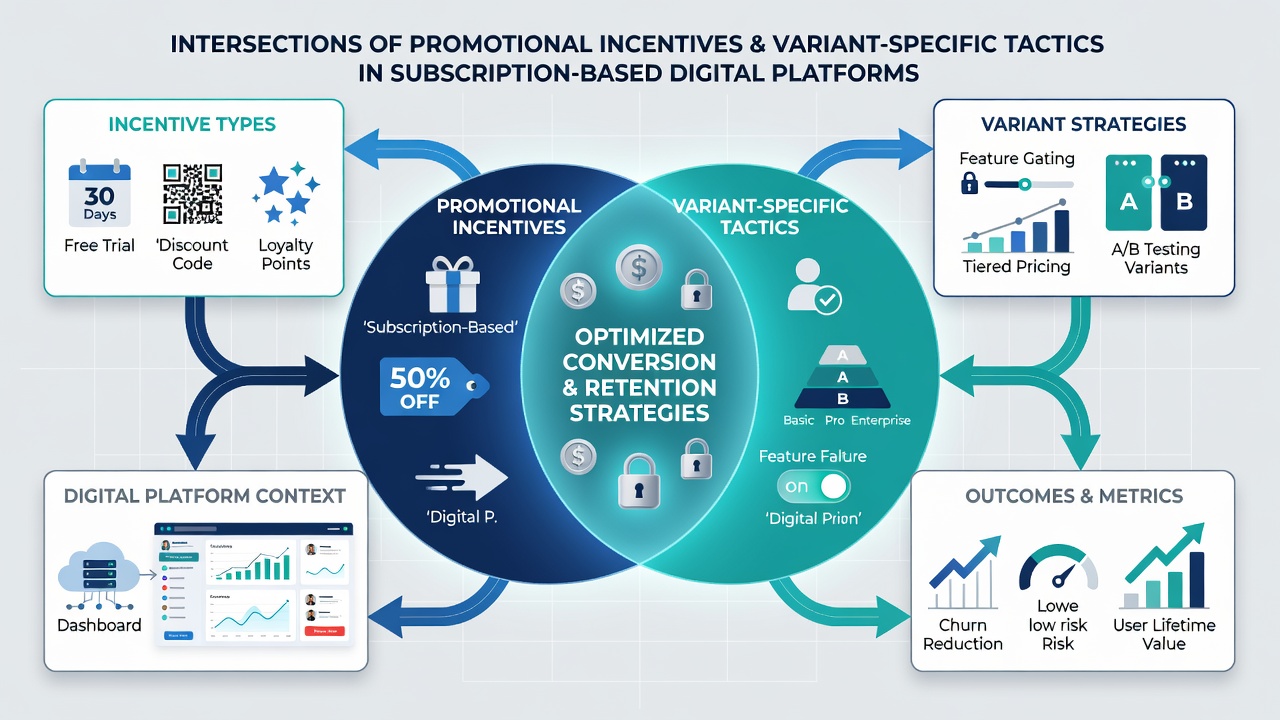
Regional Regulatory Influences on Incentive Design
Regulatory frameworks in different jurisdictions shape how subscription platforms structure variant-linked promotions. The Nevada Gaming Control Board requires clear disclosure of bonus terms before subscribers commit funds, which has prompted operators to publish variant-specific eligibility rules in advance. In Australia, oversight from state gaming authorities has led to caps on promotional multipliers applied to split-pot variants, resulting in more measured incentive rollouts compared with North American markets.
European operators face additional reporting requirements that track how incentives affect player behavior across variants. These mandates produce datasets showing that subscription models with transparent terms experience lower dispute rates when promotions tie directly to measurable performance metrics rather than random draws. Cross-border platforms therefore calibrate offers differently depending on the licensing jurisdiction, creating regional variations in the tactical emphasis subscribers place on each variant.
Platform Data and Behavioral Patterns
Aggregated platform analytics indicate that subscribers who rotate between variants under promotional pressure exhibit higher overall retention rates. One study released in mid-2026 found that accounts receiving mixed-variant incentives logged 18 percent more hands monthly than those limited to single-variant bonuses. This rotation effect appears strongest when promotions reward hand categories that differ fundamentally between games, such as suited connectors in Hold'em versus double-suited combinations in Omaha.
Those who study subscription ecosystems observe that timing of incentive releases influences tactical preparation. Advance notice of upcoming Omaha-focused bonuses prompts users to review range construction materials, while sudden Hold'em multipliers lead to immediate adjustments in aggression frequencies. These behavioral responses remain consistent across demographic segments tracked by platform operators.
Conclusion
Subscription-based digital poker ecosystems continue to integrate promotional incentives with variant-specific mechanics, producing observable shifts in participation and strategy across formats. Regulatory oversight from multiple regions ensures transparency while platform data reveals consistent patterns in how subscribers respond to targeted rewards. These intersections remain central to understanding participation dynamics within the broader digital poker landscape.