Adaptive Learning Curves in Anonymous Online Card Environments: From Novice to Expert Pathways
Quinn Zimmermann · Aug 2, 2026
Adaptive Learning Curves in Anonymous Online Card Environments: From Novice to Expert Pathways
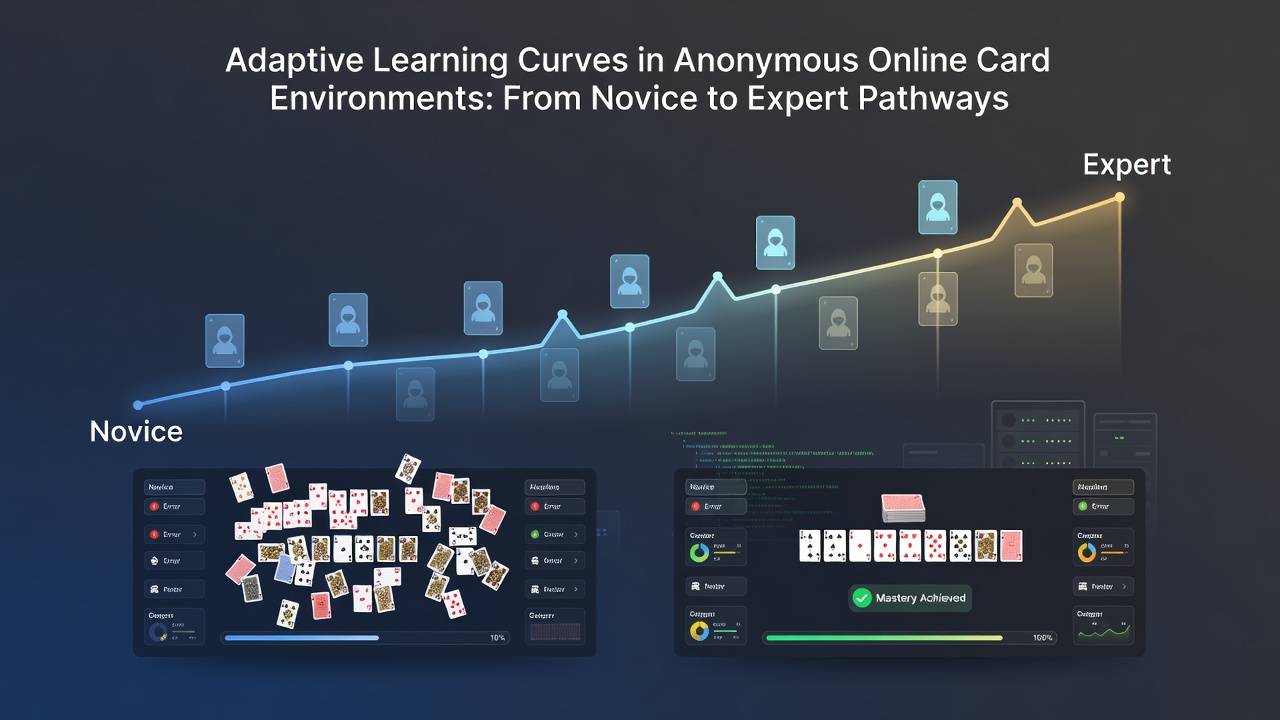
Anonymous online card environments present structured progression systems where participants move from basic rule comprehension to sophisticated decision frameworks, and data from platform analytics indicate that learning curves adapt according to exposure frequency, feedback mechanisms, and statistical pattern recognition rather than social cues. Observers note that these environments strip away physical tells, which shifts focus toward quantitative metrics such as pot odds, range construction, and positional adjustments that accumulate over repeated sessions.
Foundational Skill Development in Masked Digital Settings
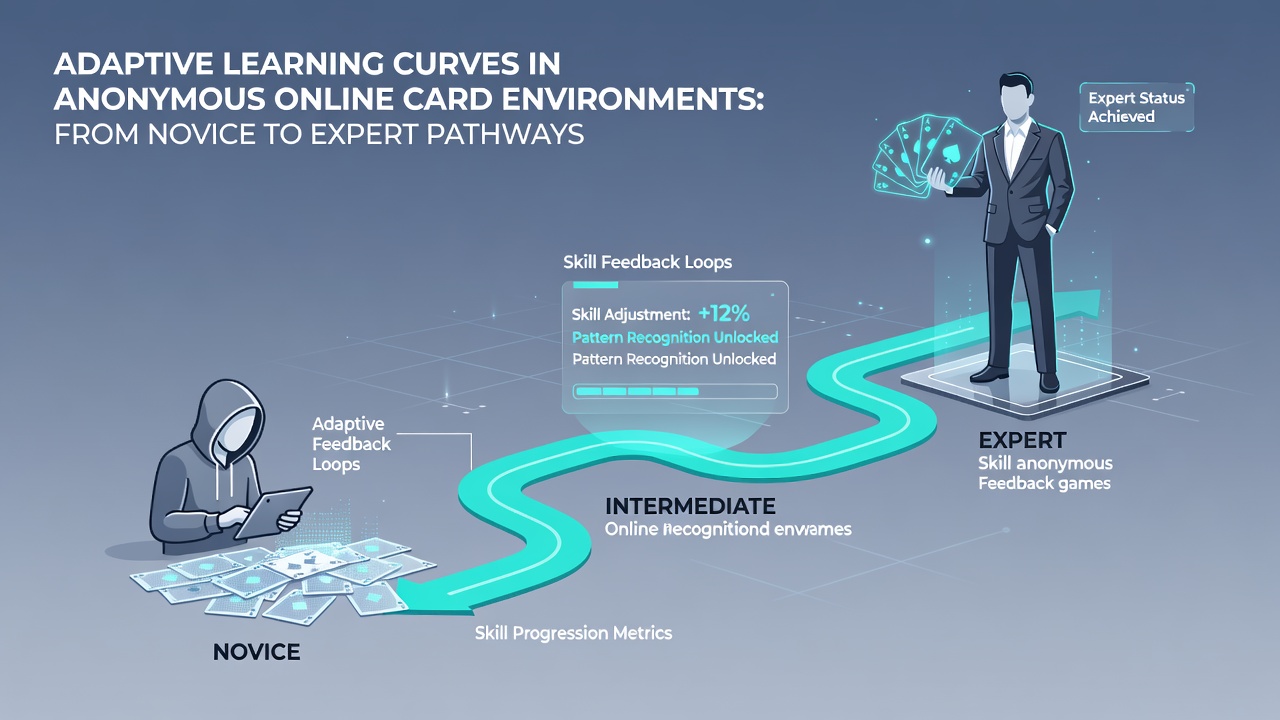
Novices typically begin with rule acquisition and basic hand evaluation, yet studies reveal that adaptation accelerates once players integrate real-time probability calculations into their routines, and this phase often spans the first 50 to 100 hours of active play according to aggregated user data across multiple platforms. Those who study this process find that immediate feedback loops, including instant hand histories and equity calculators, compress traditional learning timelines compared with live settings where review occurs after the fact. Researchers discovered that retention improves when participants review session logs within 24 hours, which reinforces connections between specific actions and outcome distributions.
Mid-Stage Refinement and Strategy Layering
Once foundational concepts stabilize, players enter refinement stages characterized by multi-street planning and opponent modeling based solely on betting patterns, while anonymity prevents reputation-based adjustments that exist in identified games. Evidence suggests this transition becomes evident around the 200-hour mark for consistent participants, and figures from industry reports show variance in progress rates tied to deliberate practice methods such as hand database tagging and solver integration. One study revealed that individuals who combine manual review with automated tools reach equilibrium faster, although platform algorithms continue to evolve countermeasures that require ongoing recalibration.
What's interesting here is how demographic variables intersect with these curves, because data indicates younger cohorts often accelerate through pattern recognition phases while older participants emphasize bankroll discipline earlier. In August 2026, several major platforms reported upticks in tutorial engagement coinciding with regulatory updates in North American jurisdictions, which prompted clearer disclosure of game mechanics and indirectly supported structured learning pathways. Experts have observed that migration between game variants within the same anonymous ecosystem further flattens or steepens individual curves depending on transferrable skills like pot control and bluff frequency calibration.
Advanced Pathways and Sustained Expertise Maintenance
Expert-level proficiency emerges when players synthesize large datasets into real-time adjustments, and this stage typically requires several thousand tracked hands alongside regular solver work to maintain edges against evolving field compositions. Those who've studied this know that anonymity creates persistent information asymmetry, which rewards continuous model updating over static strategies, and academic analyses from institutions such as the University of Nevada Reno gaming research division document how high-volume participants exhibit measurable improvements in expected value metrics after targeted weakness remediation. Yet sustained expertise also demands adaptation to platform changes, including updates to random number generator certifications tracked by bodies like the Alcohol and Gaming Commission of Ontario, which influence perceived fairness and subsequent strategic trust.
Regional regulatory shifts in 2026 further shaped access patterns, prompting players to develop portable skill sets that transfer across licensed and offshore environments without reliance on personal identifiers. Observers note that community resources, including anonymized database sharing and strategy forums, accelerate progression for those who engage systematically rather than sporadically. Figures reveal that completion rates for structured learning modules correlate with longer retention periods, suggesting that formalized pathways reduce early attrition while preparing participants for higher-stakes anonymous tables.
Conclusion
Adaptive learning curves in anonymous online card environments follow measurable trajectories influenced by practice volume, analytical tools, and regulatory context, and the progression from novice to expert remains anchored in statistical fluency and iterative refinement rather than interpersonal dynamics. Data continues to show that platforms incorporating transparent feedback systems support faster transitions at each stage, while external oversight from diverse jurisdictions maintains integrity standards that indirectly bolster participant confidence in skill development. Those monitoring these ecosystems in 2026 and beyond track how evolving technologies and rule frameworks continue to reshape the pathways available to dedicated players.